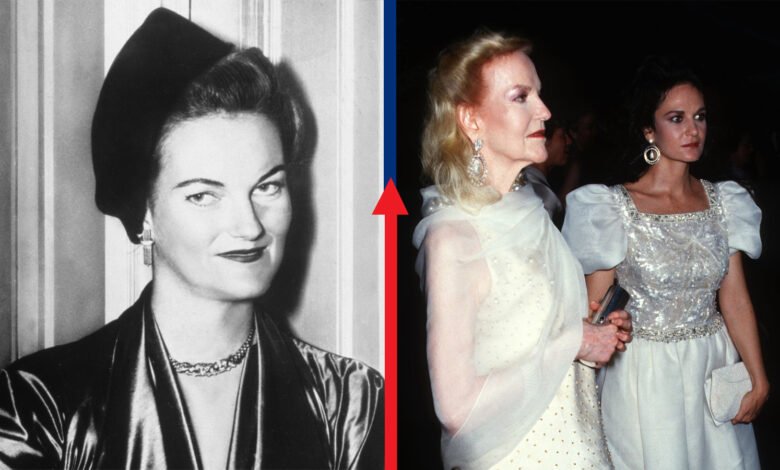
Chandi Heffner became one of the most unusual figures connected to Doris Duke, the American tobacco and energy heiress once considered one of the wealthiest women in the world. In 1988, Duke made the striking decision to legally adopt Heffner, then 35 years old, in a relationship built partly around an extraordinary belief that Heffner was the reincarnation of Duke’s own daughter, who had died in infancy decades earlier. That relationship ultimately collapsed before Duke’s death, leading to disinheritance and a lengthy legal battle over her estate that drew significant public and media attention at the time. This article covers Chandi Heffner’s adoption, her relationship with Doris Duke, and the legal fight that followed.
Chandi Heffner: Quick Bio Table
| Detail | Information |
|---|---|
| Full name | Chandi Heffner (also known as Charlene Gail Heffner) |
| Known for | Adopted daughter of heiress Doris Duke |
| Adoption date | 1988 |
| Age at adoption | 35 |
| Adoptive mother | Doris Duke, tobacco and energy heiress |
| Adoptive mother’s age at adoption | 75 |
| Background | Hare Krishna devotee |
| Family connection | Sister of the third wife of billionaire Nelson Peltz |
| Outcome of relationship | Adoption effectively revoked in Duke’s final will |
| Legal settlement | 65 million US dollars, settled with Duke’s estate trustees |
Who Was Doris Duke?
Doris Duke was born into extraordinary wealth as the only child of tobacco magnate James Buchanan Duke, inheriting a fortune that earned her the nickname “the richest girl in the world” from an early age. She used her wealth to support philanthropy, historic preservation, and the arts throughout her life, while also becoming known for an unconventional and often reclusive personal life.
Duke’s only biological child, a daughter named Arden, died shortly after birth in 1940, a loss that appears to have shaped much of her later personal life and choices, including her eventual decision decades later to adopt an adult woman she believed carried a spiritual connection to that lost child.
By the time she met Chandi Heffner in the 1980s, Duke was in her seventies and had spent decades navigating public fascination with her wealth and personal choices, making the adoption one of the more surprising developments in a life already marked by unconventional decisions and a general resistance to public scrutiny.
The Adoption and Its Unusual Basis
In 1988, at the age of 75, Doris Duke legally adopted Chandi Heffner, who was 35 years old at the time. Heffner was a devotee of the Hare Krishna movement and was connected to Duke’s social circle in part through her sister, who was married to billionaire businessman Nelson Peltz.
What made the adoption particularly unusual was the belief Duke reportedly held about Heffner’s identity. According to accounts of their relationship, Duke came to believe that Heffner was the reincarnation of Arden, her biological daughter who had died in 1940, giving the adoption a deeply personal and spiritual significance that went well beyond a conventional legal arrangement.
This belief shaped the early dynamic between the two women, with Duke apparently viewing the adoption as a way of reclaiming a connection to the child she had lost decades earlier, rather than simply formalising a friendship or mentorship relationship through legal means, giving their bond an emotional weight that went far beyond a typical adult adoption arrangement.
The Breakdown of Their Relationship
Despite the unusual and deeply personal foundation of their bond, the relationship between Doris Duke and Chandi Heffner eventually deteriorated significantly in the years following the adoption. The specific details of what caused this breakdown have not been fully documented publicly, though the consequences became clear in how Duke structured her final estate planning.
By the time Duke prepared her final will, her feelings toward Heffner had changed dramatically. The will explicitly stated that Duke did not wish for Heffner to benefit from her trust funds, and it went as far as attempting to negate the adoption entirely, an unusually strong legal statement reflecting just how completely the relationship had broken down by the end of Duke’s life and how determined she was to ensure Heffner received nothing from her estate.
This kind of explicit disinheritance, particularly one attempting to reverse a legal adoption after the fact, is relatively rare and underscores the depth of the falling out between the two women in the years before Duke’s death in 1993, raising complex legal questions about whether such a reversal could even be considered valid under the law.
Legal Battle Over the Estate
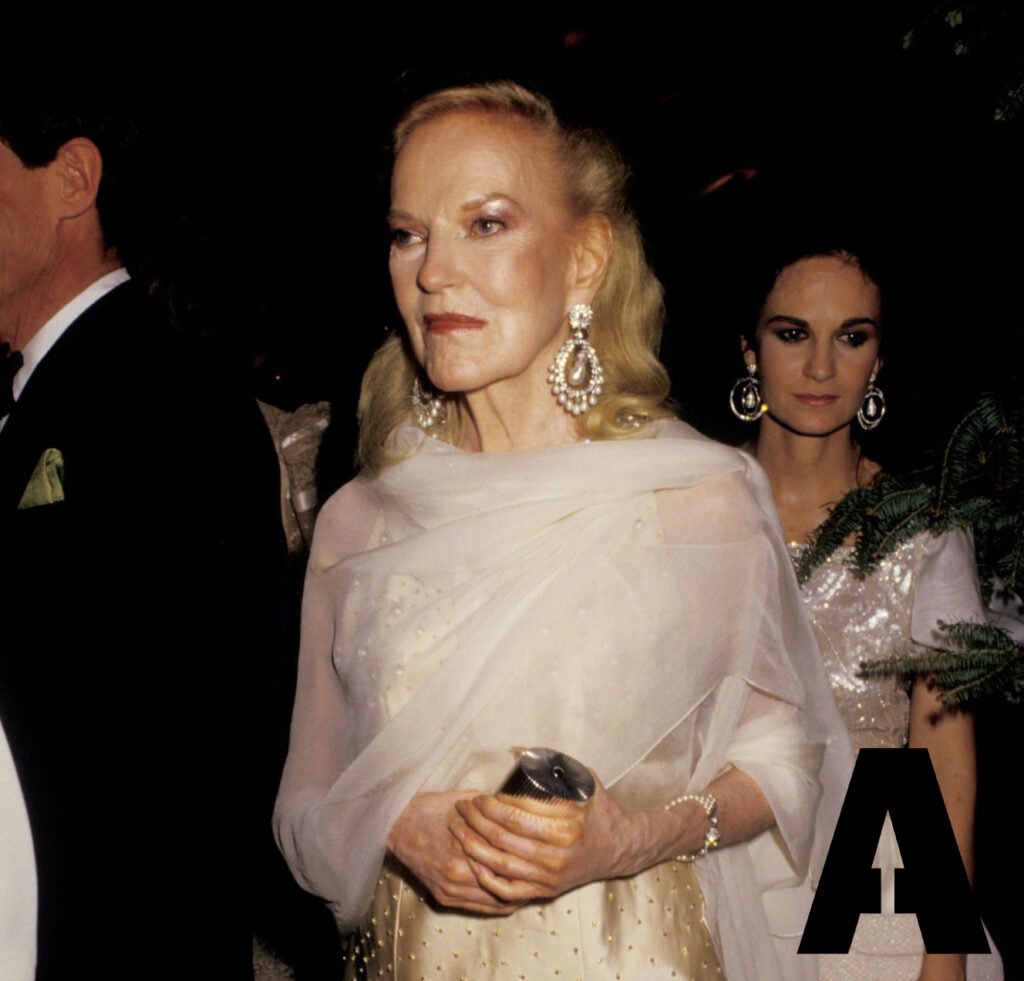
Following Doris Duke’s death, Chandi Heffner did not simply accept the terms of the final will. Despite the explicit disinheritance, she pursued legal action against Duke’s estate, arguing for her rights as Duke’s legally adopted daughter, regardless of the attempt to negate that adoption after the fact.
This legal dispute became part of a broader and highly publicised battle over Doris Duke’s enormous estate, which also involved questions about the conduct of her butler and estate manager, Bernard Lafferty, and the validity of various provisions within her will drafted in her final years. The complexity and scale of Duke’s fortune made estate litigation involving her will particularly high profile and legally complicated.
Ultimately, the trustees overseeing Duke’s estate reached a settlement with Heffner, agreeing to pay her 65 million US dollars, an amount equivalent to roughly 127 million dollars in more recent terms, to resolve her legal claims and bring the dispute to a close without further prolonged litigation.
Life After the Settlement
Following the resolution of her legal battle with Doris Duke’s estate, Chandi Heffner has maintained a relatively private life, with limited detailed public information available about her activities and whereabouts in the years since the settlement. Available records suggest she has spent time in Hawaii, a location connected to some of her more recent public traces, far removed from the East Coast social circles that once defined her life alongside Doris Duke.
The scale of the settlement, tens of millions of dollars, would have provided substantial financial security regardless of how the underlying adoption and inheritance dispute might otherwise have been resolved through further legal proceedings. This outcome meant that, despite Duke’s explicit wishes expressed in her final will, Heffner ultimately received significant financial recognition of her claims tied to the adoption, a resolution that likely avoided years of additional courtroom battles for both sides.
Her story remains a distinctive chapter within the broader, often turbulent history of Doris Duke’s estate, which continued generating legal and public interest for years after Duke’s death due to its scale and the unusual circumstances surrounding several of the key figures involved, from household staff to distant relatives who all sought some claim on her fortune.
Why People Still Search for Chandi Heffner
Interest in Chandi Heffner persists largely because her story intersects with broader public fascination surrounding Doris Duke’s extraordinary wealth, unconventional personal choices, and the drawn-out legal battles that followed her death. Documentaries and retrospective coverage of Duke’s life frequently revisit the adoption as one of the more striking examples of her unpredictable personal decisions.
The unusual basis for the adoption, tied to a belief in reincarnation, also continues to draw curiosity from readers interested in stories that blend extreme wealth with spiritual belief and family drama, a combination that has kept Heffner’s name circulating in coverage of Duke’s life decades after their relationship ended.
For readers researching estate law and inheritance disputes, Heffner’s case also serves as a notable example of how legally adopted status can carry weight in court even when a benefactor attempts to explicitly reverse that status through a final will.
The Wider Battle Over Doris Duke’s Estate
Chandi Heffner’s legal dispute was only one part of a much larger and highly publicised battle over Doris Duke’s fortune, which was estimated to be worth well over a billion dollars at the time of her death. Questions surrounding the conduct of her longtime butler and estate manager, Bernard Lafferty, who was named executor of her will, added further complexity and controversy to an already contentious estate settlement process.
Investigations and legal challenges examined whether Duke had been of sound mind and free from undue influence when finalising various provisions of her will in the years before her death, given her declining health and the significant power certain individuals in her household had accumulated over her affairs. These broader questions about Duke’s final years created an atmosphere of suspicion that shaped how courts and the public alike approached individual claims like Heffner’s.
Against this backdrop, Heffner’s settlement, while substantial, represented just one resolved piece of a far larger and more complicated legal puzzle surrounding one of the largest and most contested estates in recent American history.
Conclusion
Chandi Heffner’s adoption by Doris Duke, rooted in an extraordinary belief about reincarnation, ultimately ended in disinheritance and a prolonged legal battle that concluded with a substantial financial settlement. Her story stands as one of the more unusual chapters in the history of one of America’s most famous and eccentric heiresses, illustrating how deeply personal beliefs and enormous wealth can combine to produce genuinely unpredictable outcomes.
Frequently Asked Questions About Chandi Heffner
1. Who is Chandi Heffner? Chandi Heffner is the adopted daughter of tobacco and energy heiress Doris Duke, legally adopted in 1988 when Heffner was 35 years old.
2. Why did Doris Duke adopt Chandi Heffner? Duke reportedly believed Heffner was the reincarnation of her biological daughter, Arden, who died shortly after birth in 1940.
3. What happened between Doris Duke and Chandi Heffner? Their relationship broke down significantly in the years following the adoption, leading Duke to explicitly disinherit Heffner and attempt to negate the adoption in her final will.
4. Did Chandi Heffner receive any inheritance from Doris Duke? Despite the disinheritance, Heffner pursued legal action and reached a settlement with Duke’s estate trustees for 65 million US dollars.
5. When did Doris Duke die? Doris Duke died in 1993, and the legal disputes over her estate, including Heffner’s claims, continued for years afterward.
6. What was Chandi Heffner’s background before the adoption? She was a devotee of the Hare Krishna movement and was connected to Duke’s circle partly through her sister, who was married to billionaire Nelson Peltz.